Aura Imaging Interpretation When Reading Aura Photography
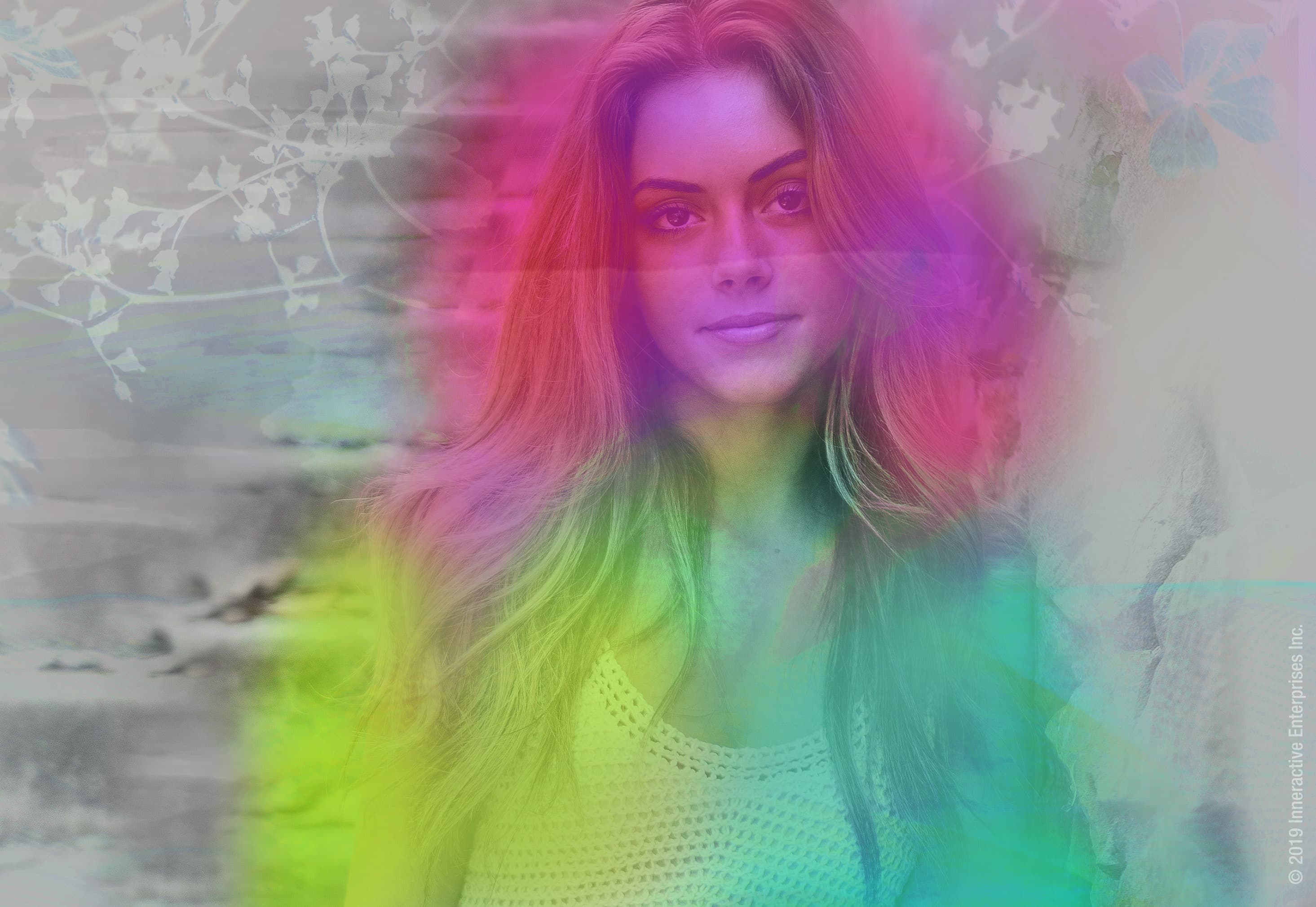
In aura traditions, colors, placement and brightness provide an interpretive vocabulary for exploring an aura-style image. A facilitator can introduce those associations and invite the participant's own perspective. With AuraCloud® 3D, camera portraits and hand-sensor input work with proprietary software to create the digital presentation.
Begin With the Colors
Readers often start with the most prominent color, then explore the shades around it. Traditional associations offer a starting point:
- Red: grounding, vitality and a sense of belonging.
- Orange: creativity, enthusiasm and expression.
- Yellow: confidence, curiosity and personal power.
- Green: connection, generosity and harmony.
- Blue: communication, sensitivity and calm.
- Indigo: intuition, imagination and contemplation.
- Violet: spiritual connection, purpose and perspective.
These themes can open a conversation. Ask which color catches the participant's attention and what it brings to mind. A single shade may connect with several ideas, depending on the tradition and the person's story.
Explore Placement as Symbolism
Some reading traditions give different parts of the image their own associations. The area above the head may introduce thoughts or aspirations; the center may focus on a sense of self. Left and right are sometimes connected with receiving and expressing, while the lower area can evoke grounding.
Introduce the convention you use, then ask whether it suggests a useful reflection. A violet shade near the head might inspire a conversation about imagination, while green near the center might invite a story about connection.
Notice Contrast and Brightness
Light, dark and contrasting tones give an image its visual character. Within aura traditions, a reader might connect these qualities with harmony, intensity or changing intentions. Look at the relationships among the colors rather than isolating a shade from the rest of the picture.
Let the Conversation Complete the Image
An AuraCloud® 3D portrait, graph or chakra-inspired view offers a different starting point. Invite the participant to share what resonates, introduce the color associations that interest them and explore the questions that follow. Supported images and reports can provide a reminder of the session.